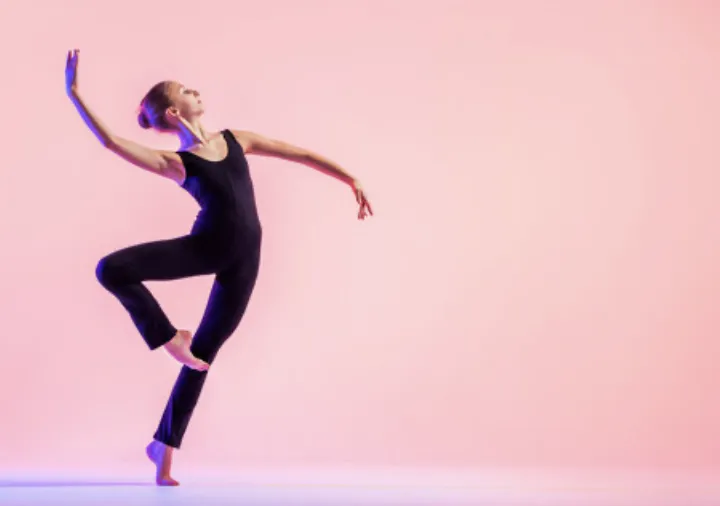
Guide: Dancers Returning to Jumping Safely
Dancer Recovery, Plyometric Workouts, Jump Training, Dance Injury Prevention, Rehabilitation Exercises, Return To Jumping
How Dancers Should Return to Jumping After a Break
A smart return-to-jumping plan protects performance and prevents avoidable injuries. Whether your dancer is starting back in the fall in your studio or going away to college, the principles of safe plyometric training are the same. At The Skilled Collection, we translate this science into clear steps parents can actually use at home.
How Dancers Should Return to Jumping After a Break
A dancer I work with had just finished his first professional contract. He stayed healthy the whole season. Two weeks after closing night, he emailed me: "Can you give me guidance on plyometric workouts to improve my jumping?"
She is a go-getter. Left alone, she would start box jumps tomorrow. Here is what I told her instead and what I want your young performer to understand long before they reach a professional stage.
📌 Key Takeaway: Jump training is powerful, but only when it is layered on top of rest, strength, and smart progression. Skipping steps is how great seasons turn into preventable injuries.
Your Break Has Phases, Even If Nobody Told You
Most dancers treat the off-season as one block of time: rest until you feel guilty, then train until classes start. Your body does not work that way. It works in phases, and your break should too.
Phase One: Full Rest
About two weeks of full rest.
Sleep, eat, walk, live. Your technique will not disappear. Your tendons, your nervous system, and your motivation all need this. Skipping it is how last season's fatigue becomes this season's injury.
💡 Pro Tip for Parents: Frame this as a "recharge phase" for high-level performers, not as doing nothing. Rest is part of training, especially for growing bodies.
Phase Two: Rebuild the Base
About two more weeks of moderate strength work.
Squats, single-leg work, calf raises. Nothing explosive yet. This is where tendons and connective tissue catch up to where your muscles already are.
Phase Three: Reintroduce Impact
Now you can start plyometrics, and this is the part almost everyone gets wrong.
📌 Key Takeaway: Rest, then strength, then impact. When you follow these phases in order, jump training becomes a tool for performance, not a trigger for pain.
Why Plyometrics Need Their Own Progression
Jumping is not just strength. It is strength applied fast, absorbed fast, and repeated. That takes tendon stiffness and reactive capacity that strength training alone does not build.
If you have been strengthening all summer, jump training is not a new program. It is the next chapter of the one you are already in.
"Your muscles may feel ready before your tendons and landing mechanics are. Progress your jumps at the pace of your slowest system, not your most eager one."
— Guidance adapted for youth performers by The Skilled Collection
How to Start Plyometrics Safely
Start low. Think ankle hops and small pogo jumps before anything that looks like a leap. Give yourself 48 to 72 hours between plyometric sessions in the first couple of weeks. Your tendons adapt slower than your muscles do, and soreness is not the signal to watch. Reactive strength and landing quality are.
Begin with small, in-place jumps (ankle hops, pogos) before any big traveling jumps.
Keep landings quiet and controlled —no heavy thuds, no collapsing knees.
Use supportive, slightly forgiving surfaces like sprung floors or wood, not concrete.
💡 Pro Tip for Parents: In early sessions, your dancer should finish feeling like they "could have done more." That leftover capacity is a built-in safety margin for growing tendons and joints.
Why Volume Matters More Than Most Dancers Expect
A published beginner plyometric progression starts far lower than dancers assume. Some general athletic programs call for 200 or more foot contacts in a single session for trained athletes. That is not week one.
Week one might be a fraction of that, built slowly across several sessions before you add height, distance, or speed.
📌 Key Instruction: Start at the beginner volume, even if you feel ready for more. Telling yourself which entry point to use closes the door on jumping straight to an advanced set your tendons have not earned yet.
When to Get Help
If you have pain, swelling, or a joint that feels unstable, plyometrics are not the place to test it. See a medical provider who knows dancers before you load your legs this way.
And if you are coming back from an injury, your return-to-jumping timeline is different from everything above. That progression should be built with your clinician.
⚠️ Warning: For youth dancers, skaters, and cheer athletes, medical clearance and a staged plan from a pediatric sports provider should always override any generic guideline or online program.
About the Expert
Jena Hansen-Honeycutt, DAT, LAT, ATC, is a dance medicine athletic trainer and researcher. She works with dancers, hypermobile athletes, and the clinicians who care for them.
© 2026 ThriveWell Consulting LLC. This post is for educational purposes and is not a substitute for medical advice.
How The Skilled Collection Supports Safe Jump Training for Young Performers
At The Skilled Collection, our mission is to bridge the gap between what teachers and coaches ask for in the studio or on the ice and what actually happens at home. We create science-based, age-appropriate off-floor and off-ice programs so parents of 7–14-year-old performers can support safe strength and plyometric progressions with confidence.
Evidence-based progressions: Built on clinical movement science and neuromuscular training, not guesswork or social media trends.
Age-appropriate loading: Designed specifically for growing dancers, skaters, and cheer athletes, with clear guidance on when and how to add impact.
Parent-friendly structure: Simple explanations, clear session outlines, and built-in safety checks you can follow at home.
💡 Next Step: Browse our sport-specific programs for dance, cheer, and skating, or contact us for guidance or private sessions if you're unsure where your child should start. Together, we can help your young performer move better, get injured less, and feel confident every time their feet leave the floor.

